Care for Lower Back Pain/Lumbago in Burlington
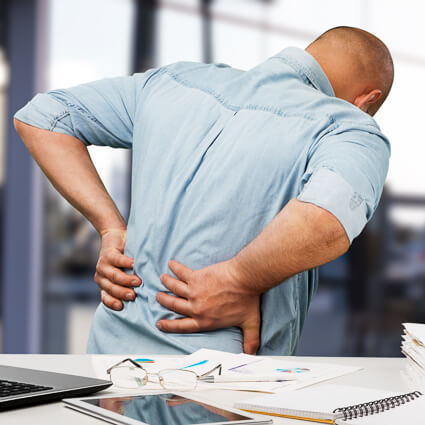 Lower back pain can come on from everyday things—sitting too long, lifting something awkwardly, or moving the wrong way. At first, it might feel like a dull ache. Then it can start showing up when you bend, stand, or turn. For many people in Burlington, lower back discomfort limits work, sleep, exercise, and even simple activities such as tying their shoes or lifting groceries.
Why Lower Back Pain Happens More Often Than You Think
The lumbar spine carries much of the body’s weight and absorbs repeated stress from sitting, lifting, twisting, and long periods of inactivity. When spinal joints lose normal motion or soft tissues become irritated, mechanical stress builds. Over time, this may lead to stiffness, inflammation, and nerve irritation, causing ongoing discomfort.
Contributing factors often include prolonged desk work, physically demanding jobs, poor posture, old injuries, uneven movement patterns, or sudden changes in activity. Many people are surprised to learn that lower back pain rarely has a single cause. It’s usually the result of layered stress over time.
A Root-Cause Approach to Care
At The Healing Path Chiropractic and Wellness Centre, we focus on identifying the factors driving discomfort, rather than simply reacting to symptoms. Each visit begins with a detailed review of lifestyle habits, activity levels, and health history. The spine is then assessed to identify areas of restricted movement and areas of joint irritation or subluxation patterns that may be altering normal mechanics.
Restoring motion helps reduce strain on joints, muscles, and surrounding structures, which can reduce mechanical strain and improve how the area moves during daily activities.
Chiropractic Techniques We Use for Lower Back Relief
Care plans may include a combination of hands-on and instrument-assisted approaches based on individual needs. Techniques commonly used include:
- Manual chiropractic adjustments and gentle mobilization
- Activator Methods® techniques for controlled force
- Spinal decompression and traction when indicated
- Active Release Techniques® to address muscle tension
- Soft tissue therapy, movement guidance, and posture education
Physiotherapy-informed exercises and ergonomic advice are often incorporated to reinforce in-office care.
Home Strategies That Make a Difference
Frequently Asked Questions
How long does lower back pain usually last?
Is chiropractic care appropriate for chronic lower back pain?
Take the Next Step Toward Better Mobility
Lower back pain doesn’t have to dictate your routine. If you want a clear plan based on how your spine is moving today, book an assessment and get straightforward answers.
